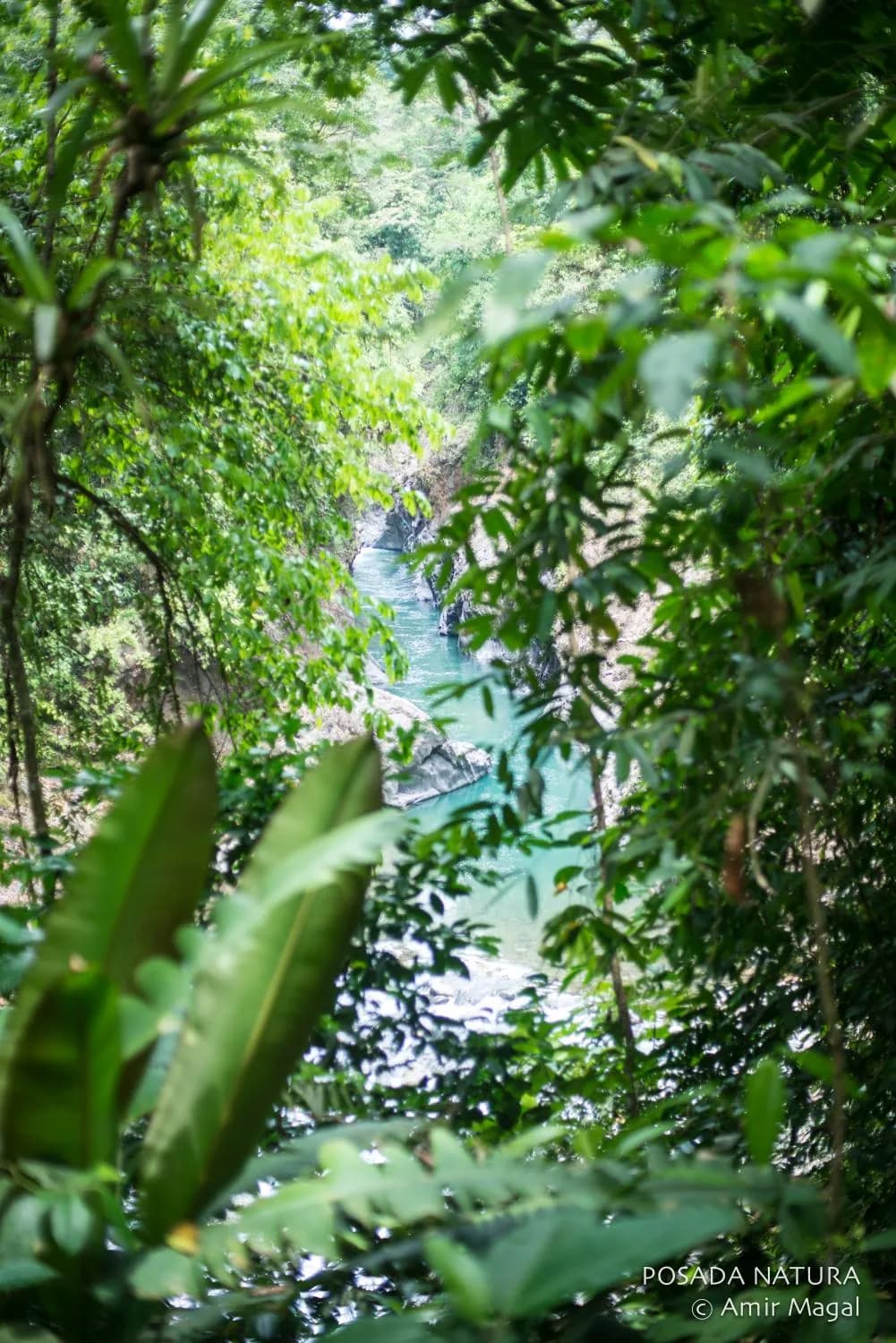
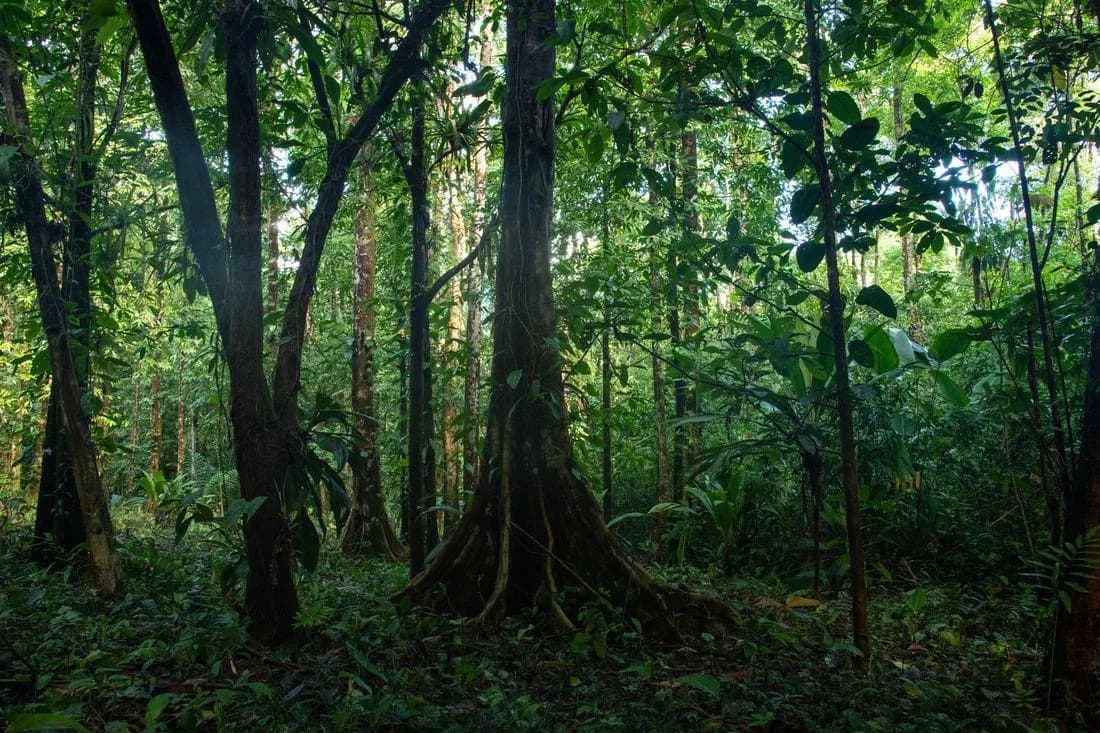
Before you can protect a place well, you have to know what is there.
Conservation begins with observation.
A forest can appear healthy from a distance while its ecological relationships are changing underneath the canopy. Research makes those changes visible: which species live here, where they are moving, how water changes between the headwaters and the river, where erosion is occurring, which habitats are regenerating, and which edges are under pressure.
The findings
Nine findings from the research on this land.
Scan the index, then select a finding to read the evidence behind it.
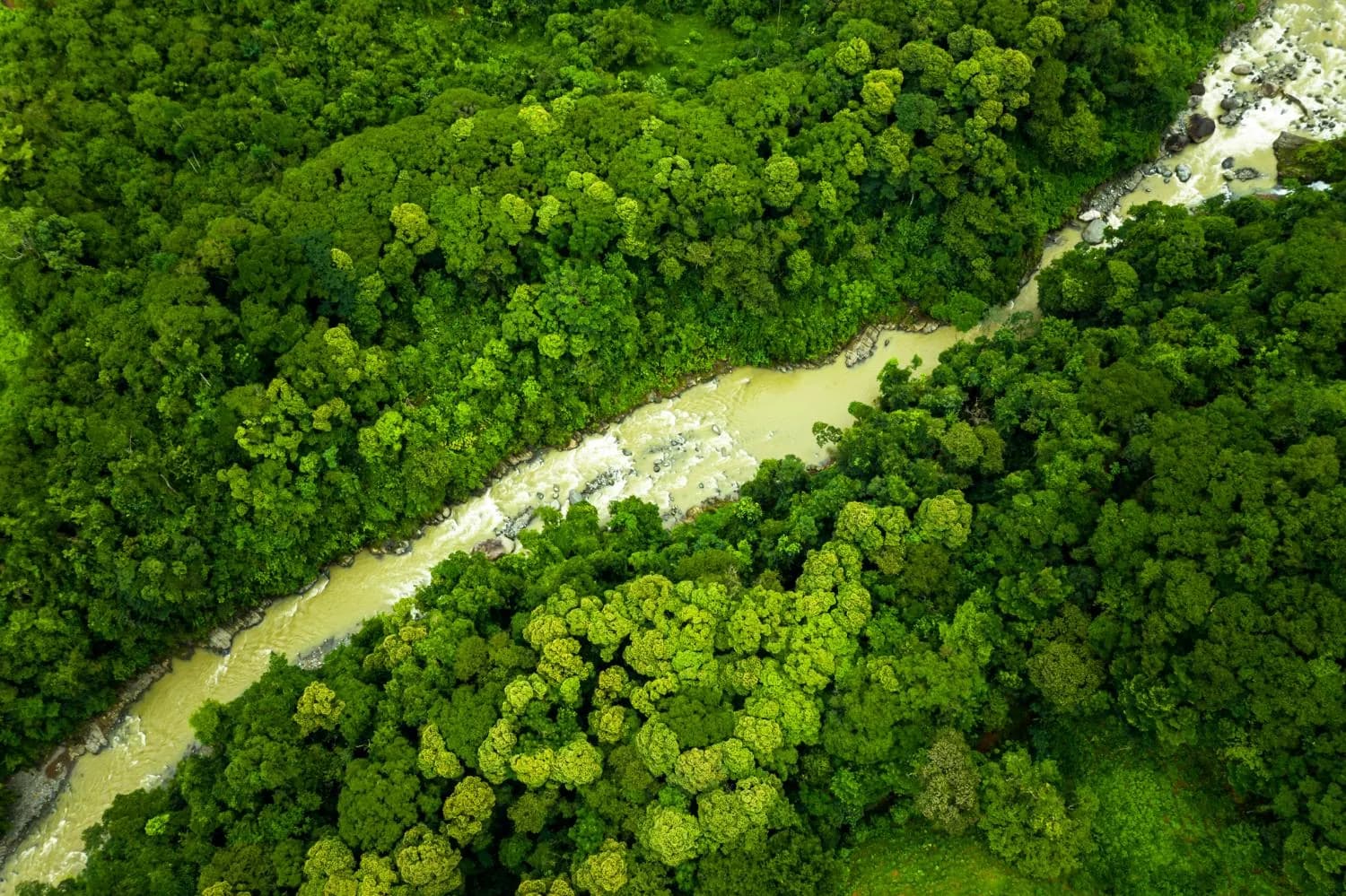 01The land850 mof elevation, from the Naranjo River to the highest ridgeRead the evidence
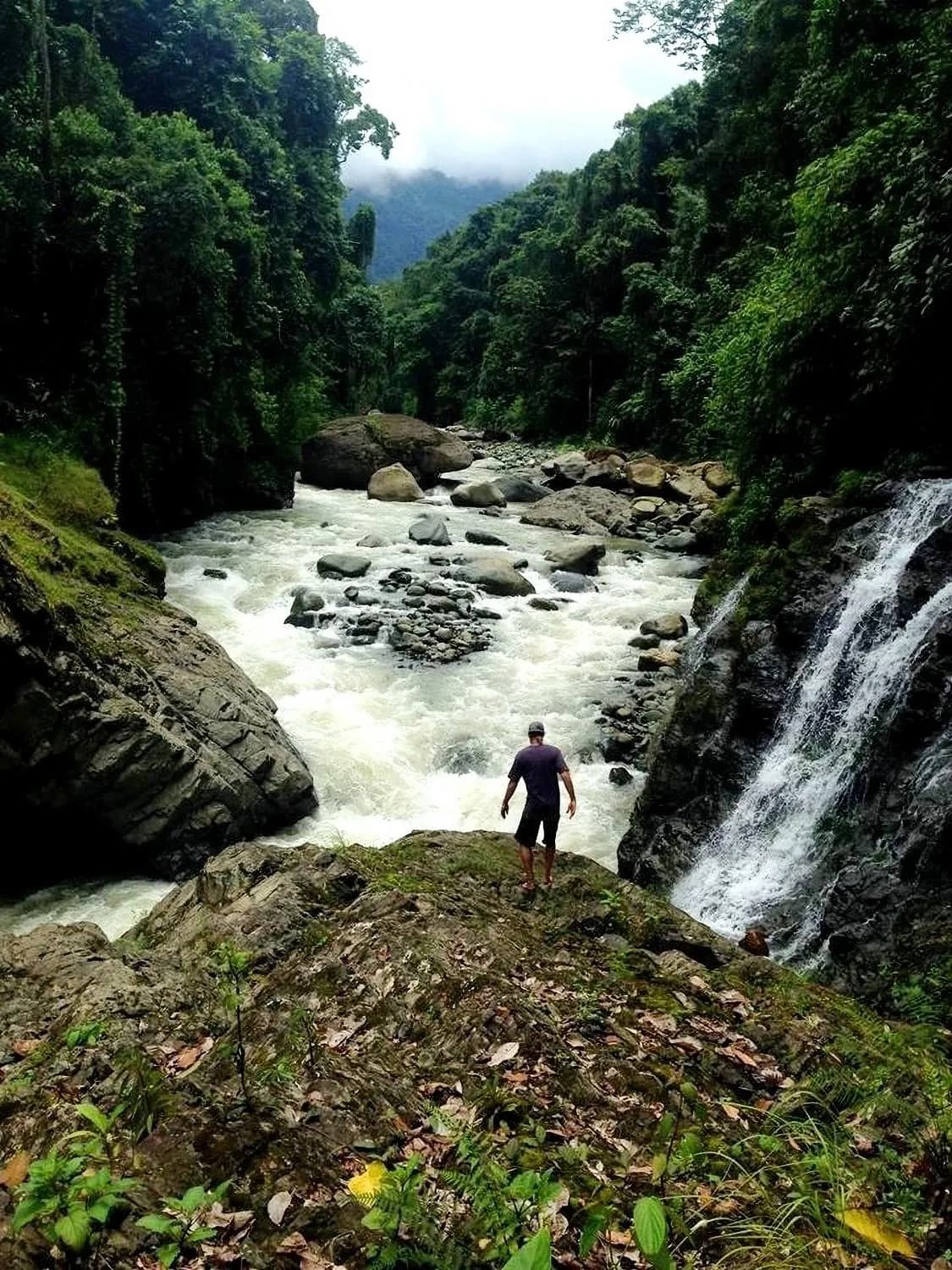 02The ground60°+slopes, where tree roots do the structural work of holding soilRead the evidence
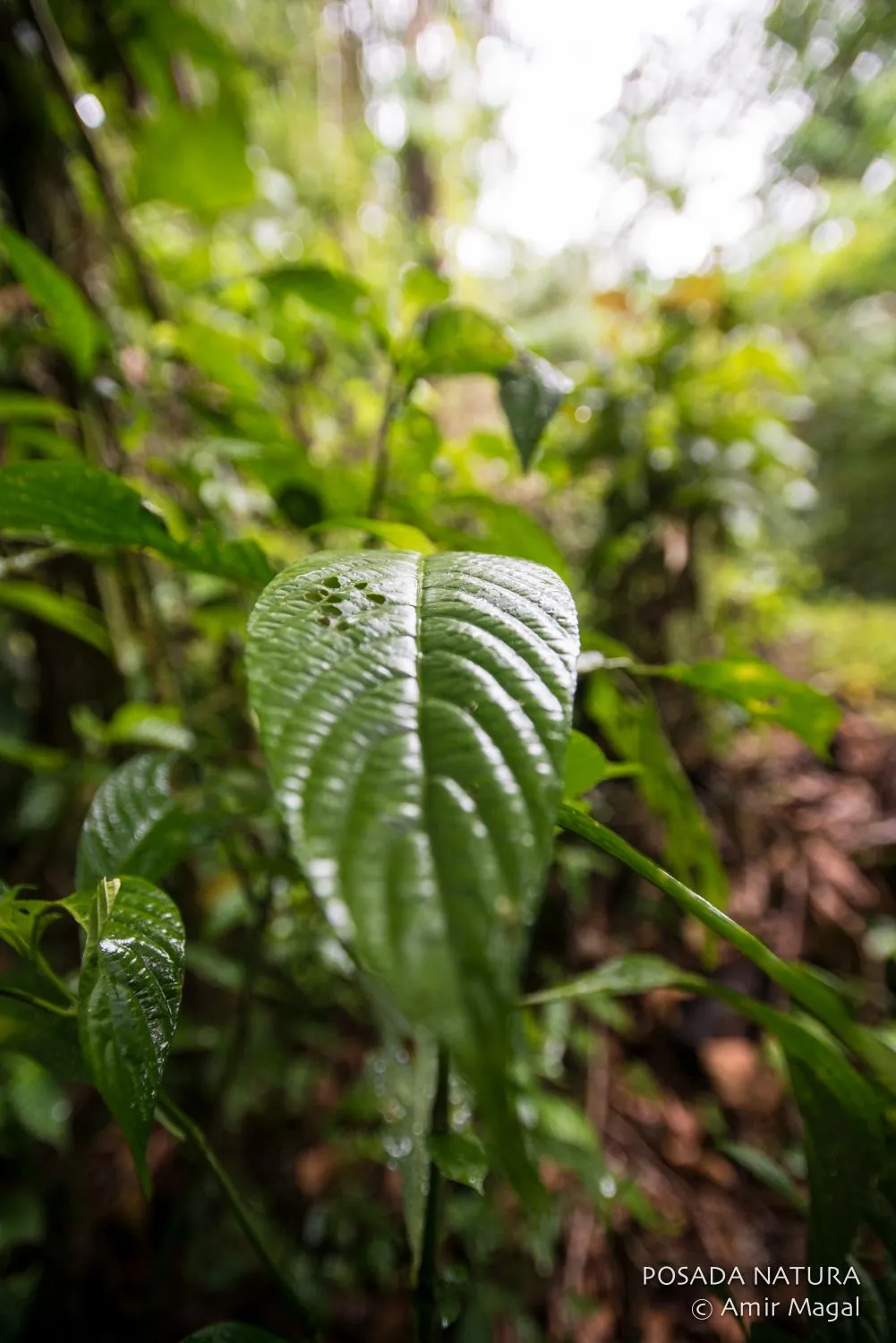 03The waterDaysthat rain is held in canopy and soil before it reaches the riverRead the evidence
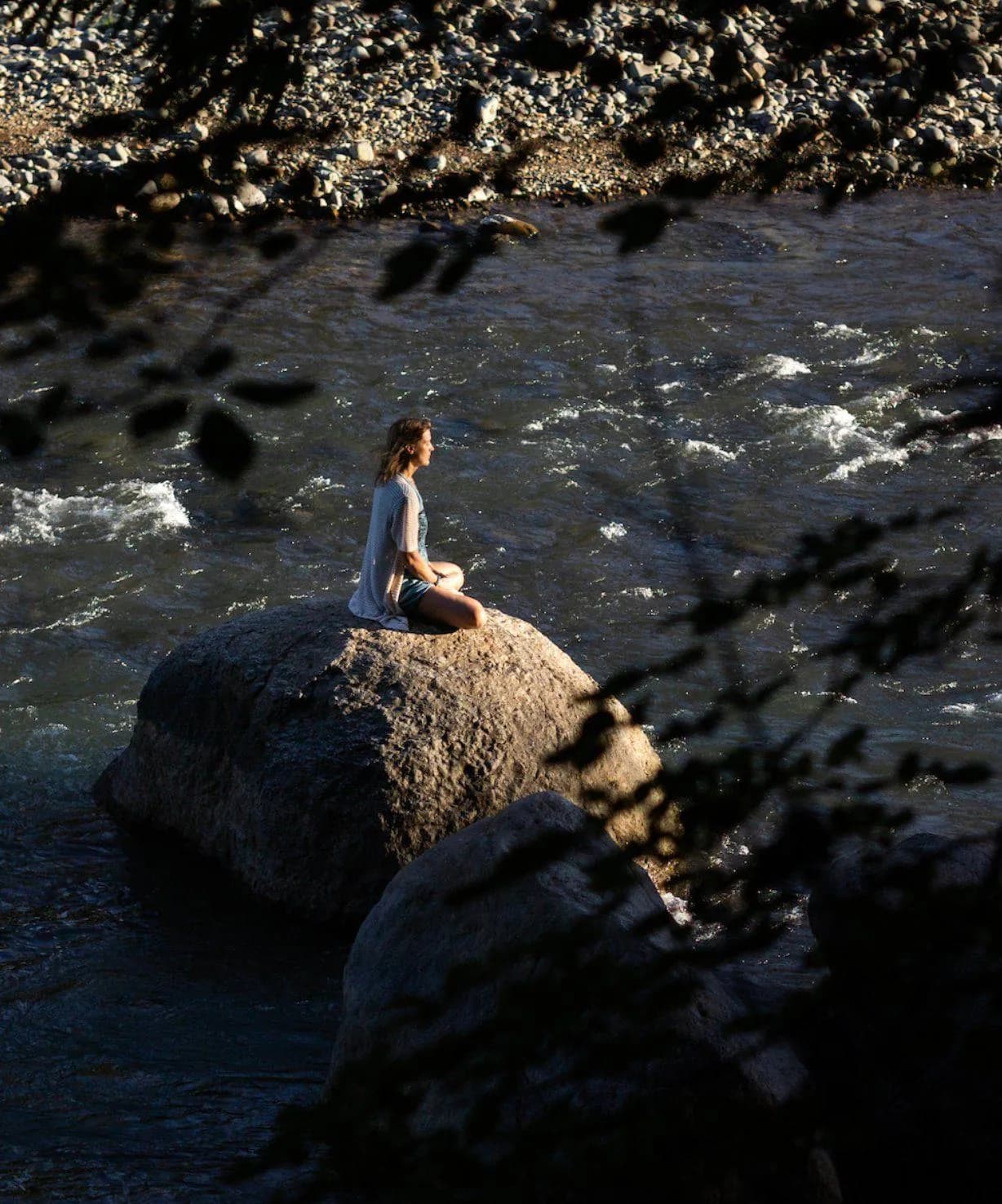 04The measurements6.1–8.3pH range, with low nitrates and the conductivity of an undisturbed watershedRead the evidence
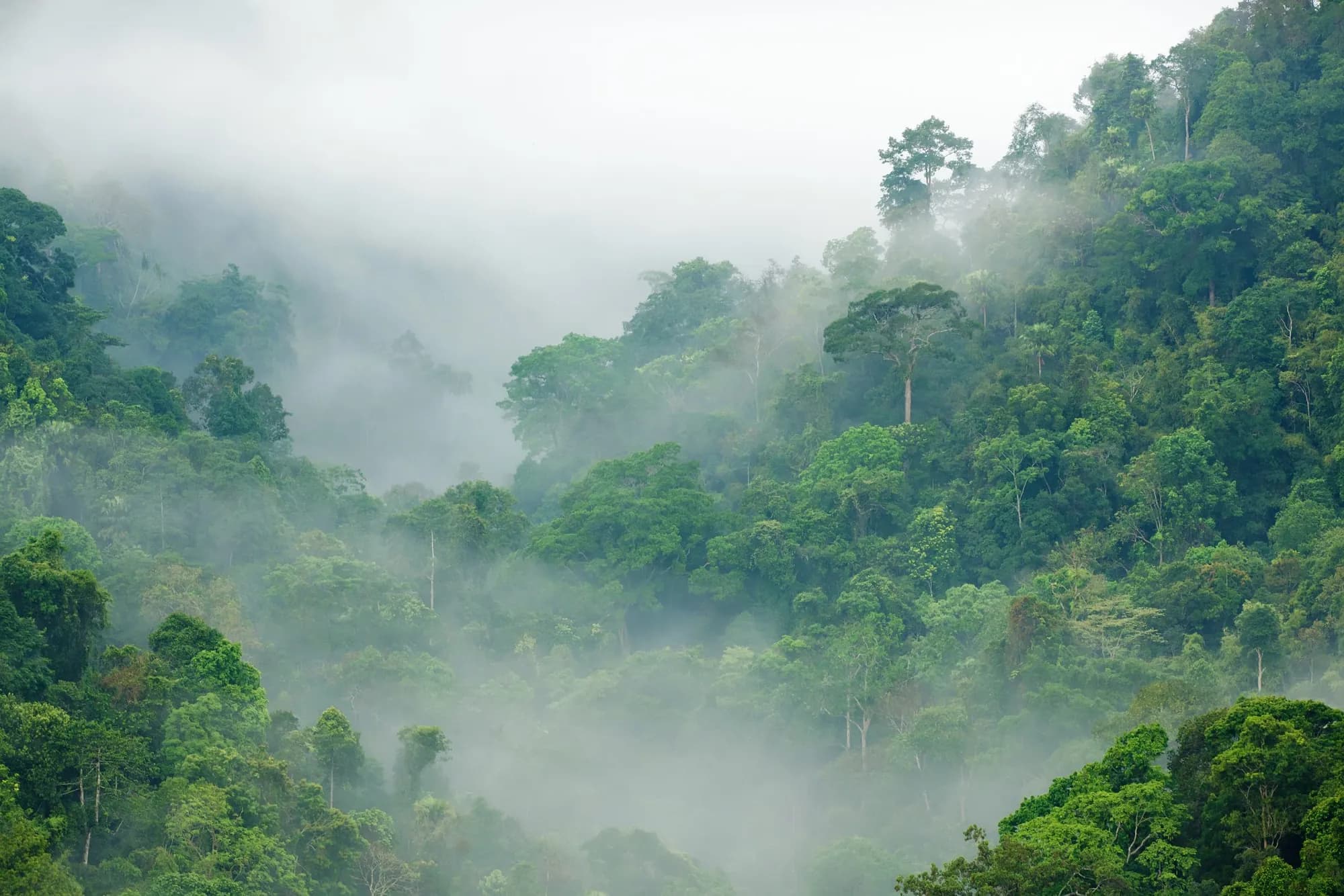 05The evidence4M+tonnes of CO₂ stored in the primary forest on the propertyRead the evidence
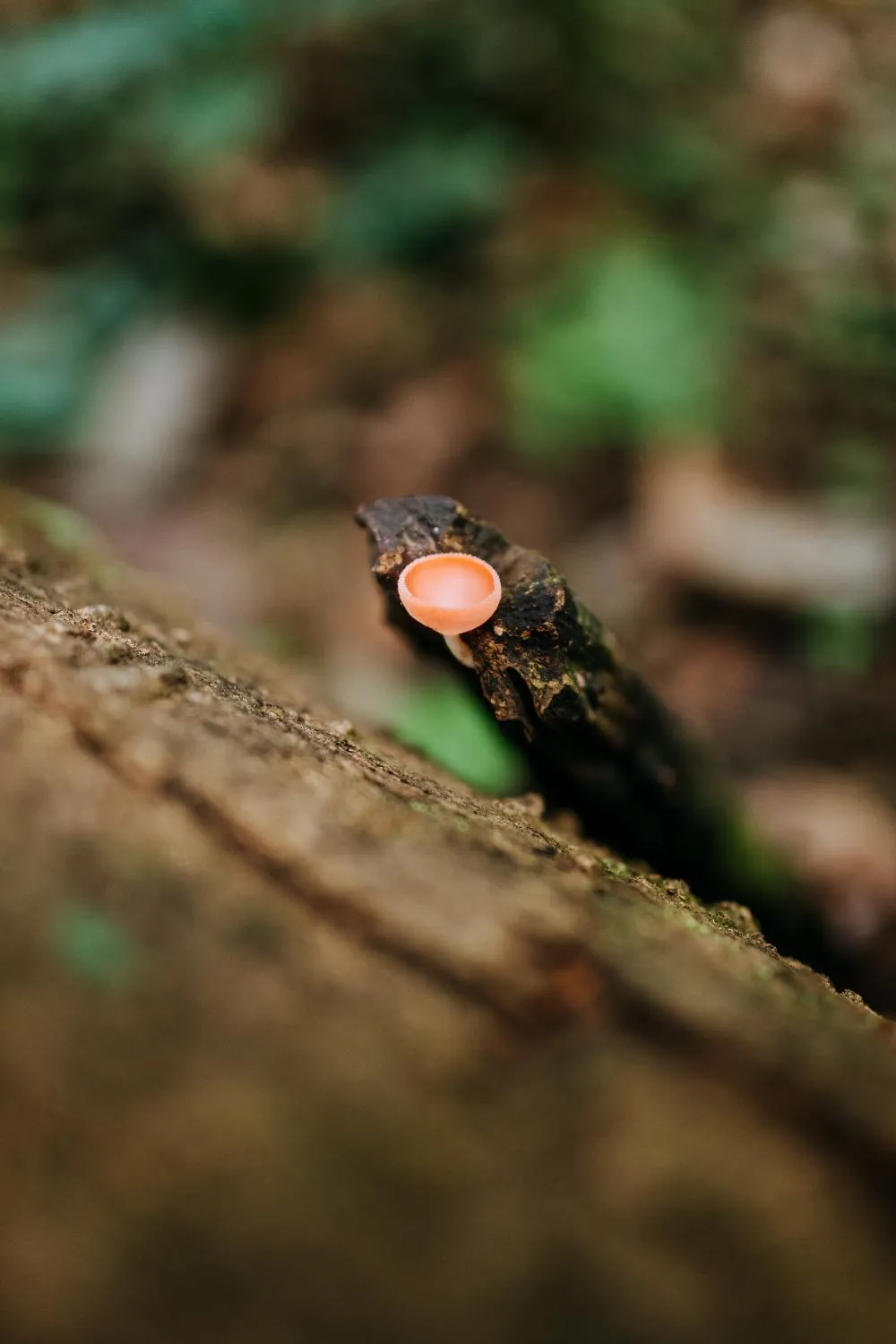
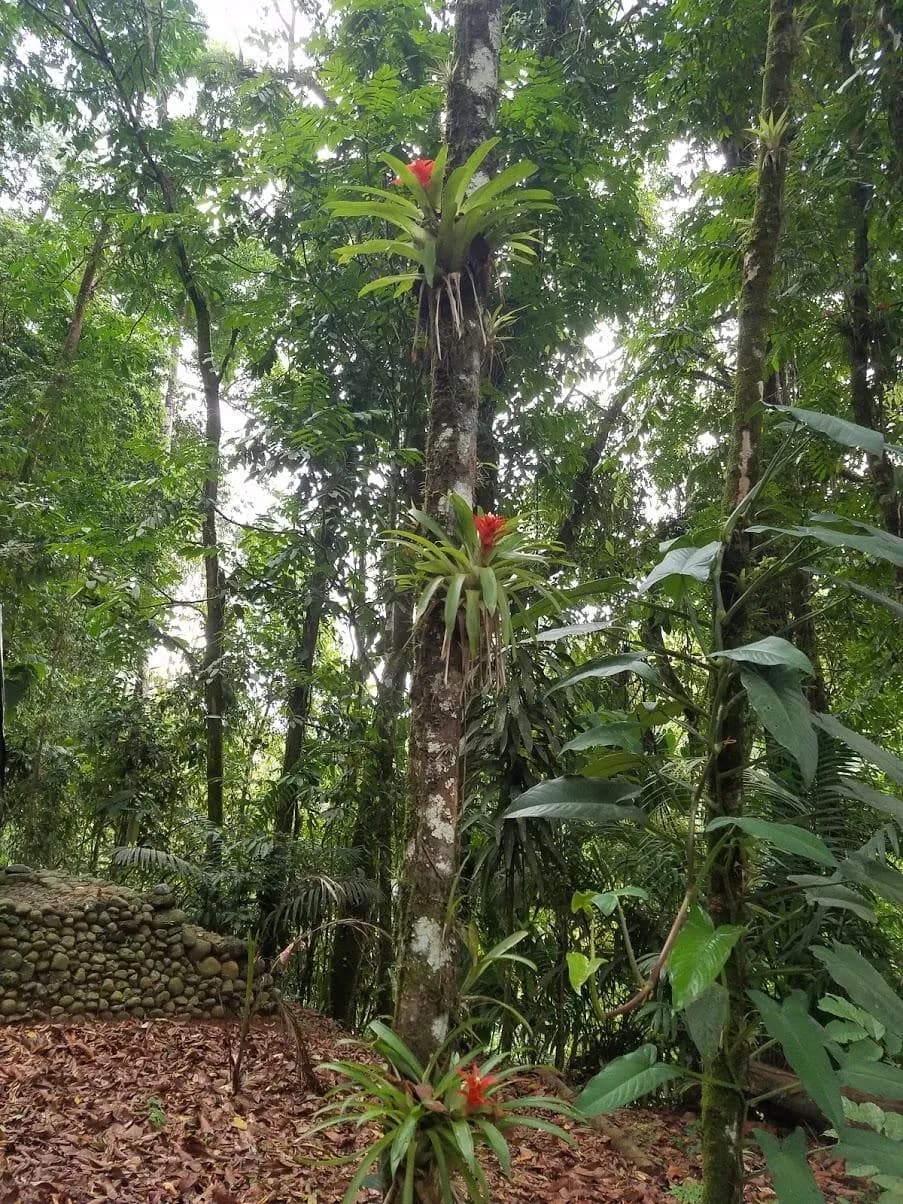 06The record717+species documented across plants, birds, mammals, reptiles and amphibiansRead the evidence
 07The system6forest functions working together as one self-regulating systemRead the evidence
 08The horizon35 yrsof family protection so far; the next step is legal protection that outlasts itRead the evidence
 09The practice4connected areas of conservation work, from patrols to peopleNow reading
V · The practice
Four areas of conservation work
Eco Era's conservation strategy is organized around four connected areas of work.
01 · Primary forest conservation
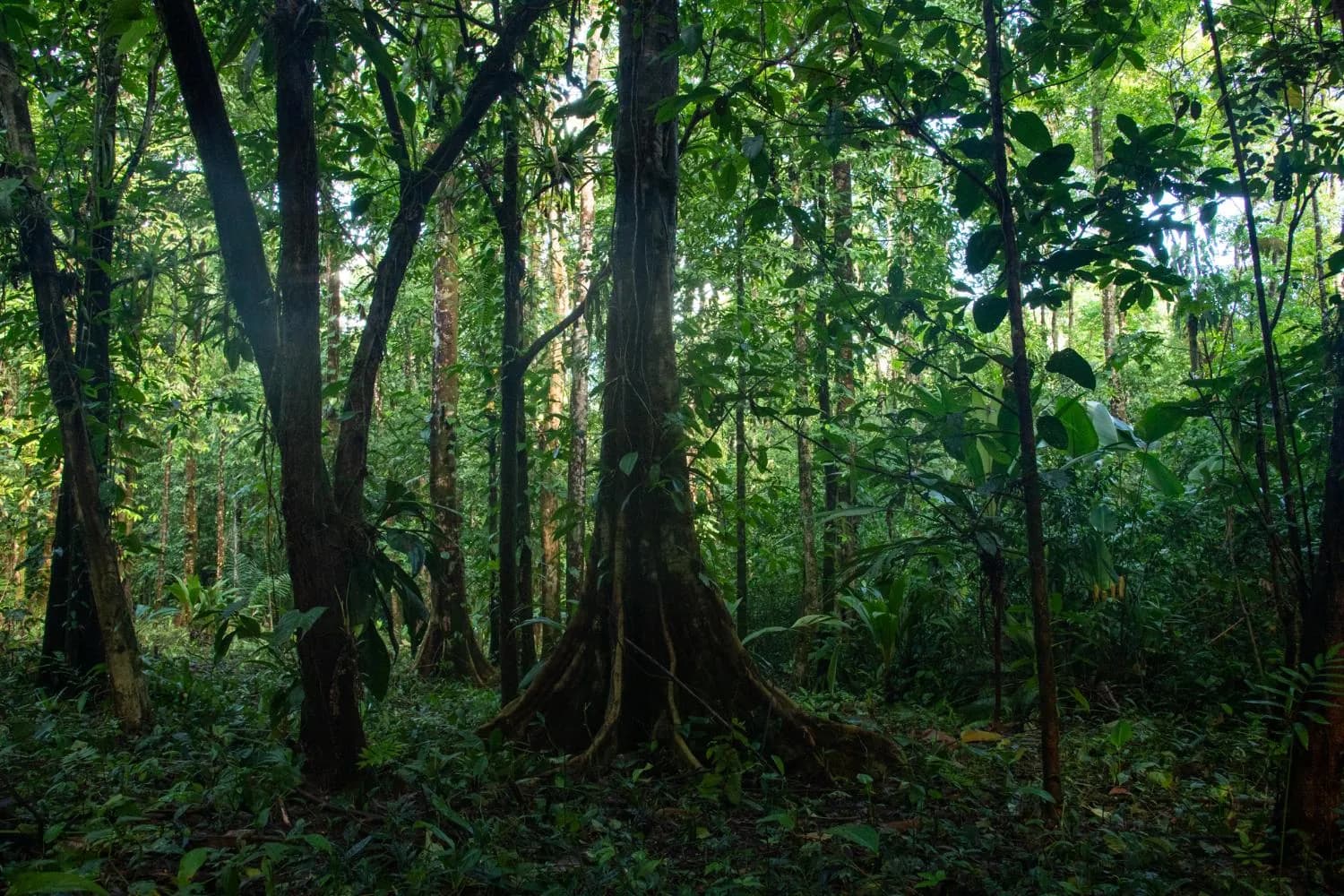
Old-growth forest can't be replanted
A mature canopy, complex soil community, old-growth trees, epiphytes, fungi, decomposers, seed banks, and the relationships between them develop over centuries.
A cleared primary forest can regenerate. What grows back in a decade, or even several, is a different ecological system from the one that was removed.
For this reason, the first task is often the least glamorous: keep what remains standing.
The work includes forest patrols, anti-poaching partnerships, protection of high-value endangered tree species including Guanacaste, Manú, and Ocotea monteverdensis, collaboration with neighboring landowners, scientific research, and coordination with MINAE.
A mature tree left standing keeps doing that work.
02 · Watershed protection
Protecting the headwaters
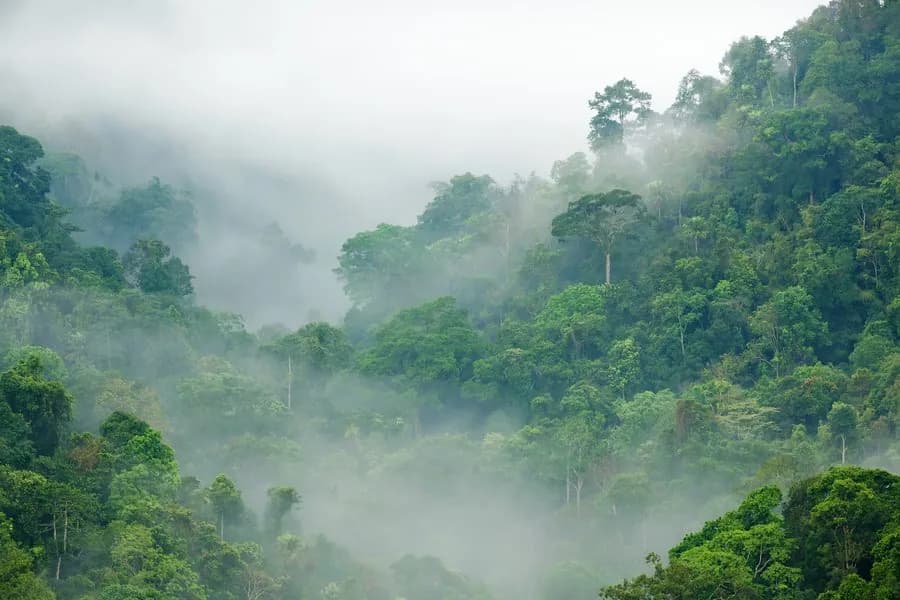
Eco Era protects forest in the upper watersheds of the Naranjo and Savegre river systems and works to maintain the vegetation, soils, tributaries, and riparian areas that keep those watersheds functioning.
Healthy rivers begin uphill.
- Protecting headwaters
- Monitoring water quality
- Preventing erosion through intact forest cover
- Collaborating with downstream communities
- Contributing to Costa Rica's broader culture of watershed protection
03 · Species habitat and corridor conservation
A protected acre has limited value to a jaguar if the next acre is a road
Habitat connectivity allows wildlife populations to move through landscapes large enough to support them.
Eco Era works to maintain the Rio Naranjo and Cerro Nara corridor landscape through direct land protection, partnerships with neighboring landowners, long-term species monitoring, anti-poaching efforts, and education aimed at reducing conflict between people and wildlife at the forest edge.
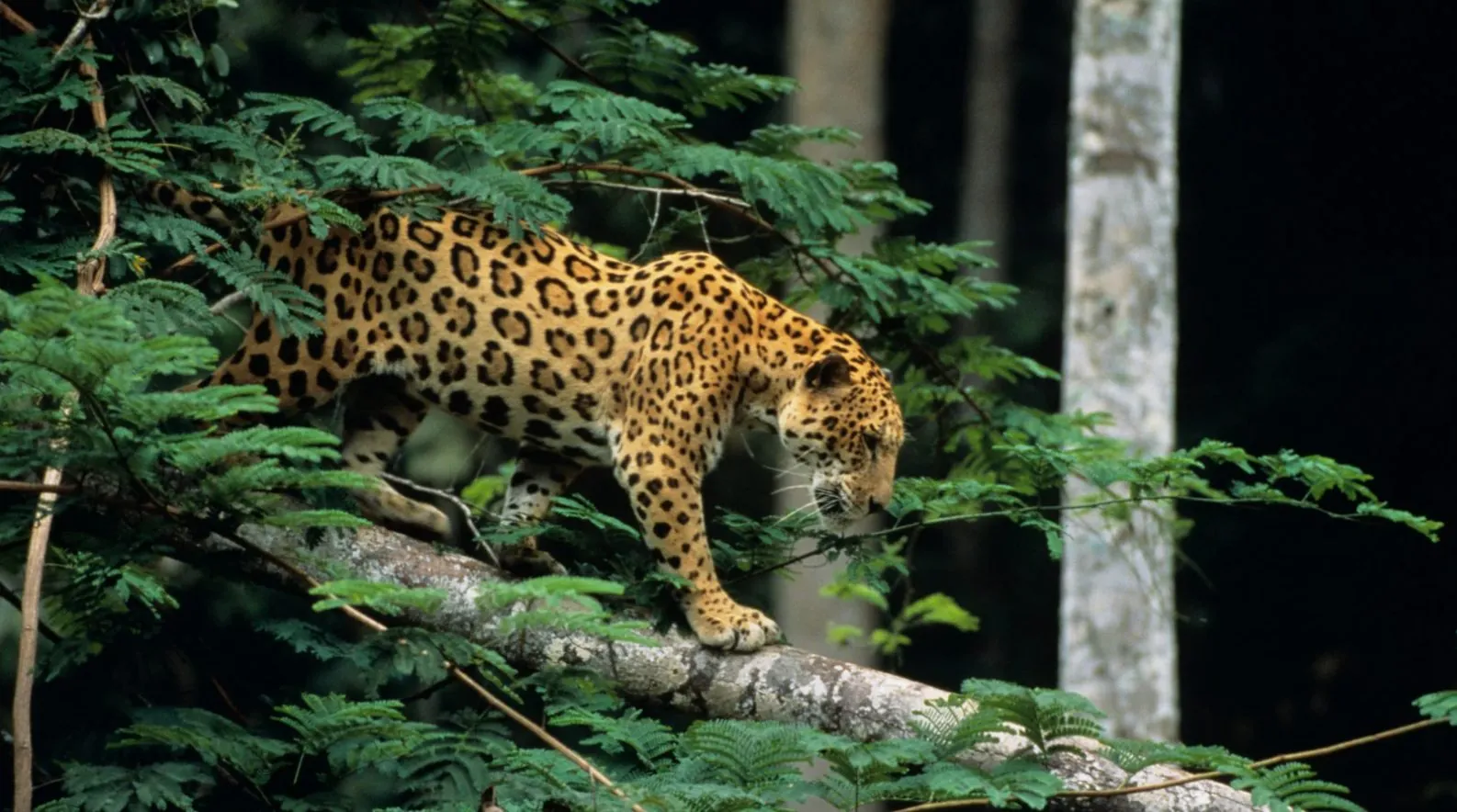
Conservation happens across boundaries.
The strategy has to as well.
04 · Human connection
Bringing people into the forest
Posada Natura gives people a way to experience the landscape Eco Era is working to protect.
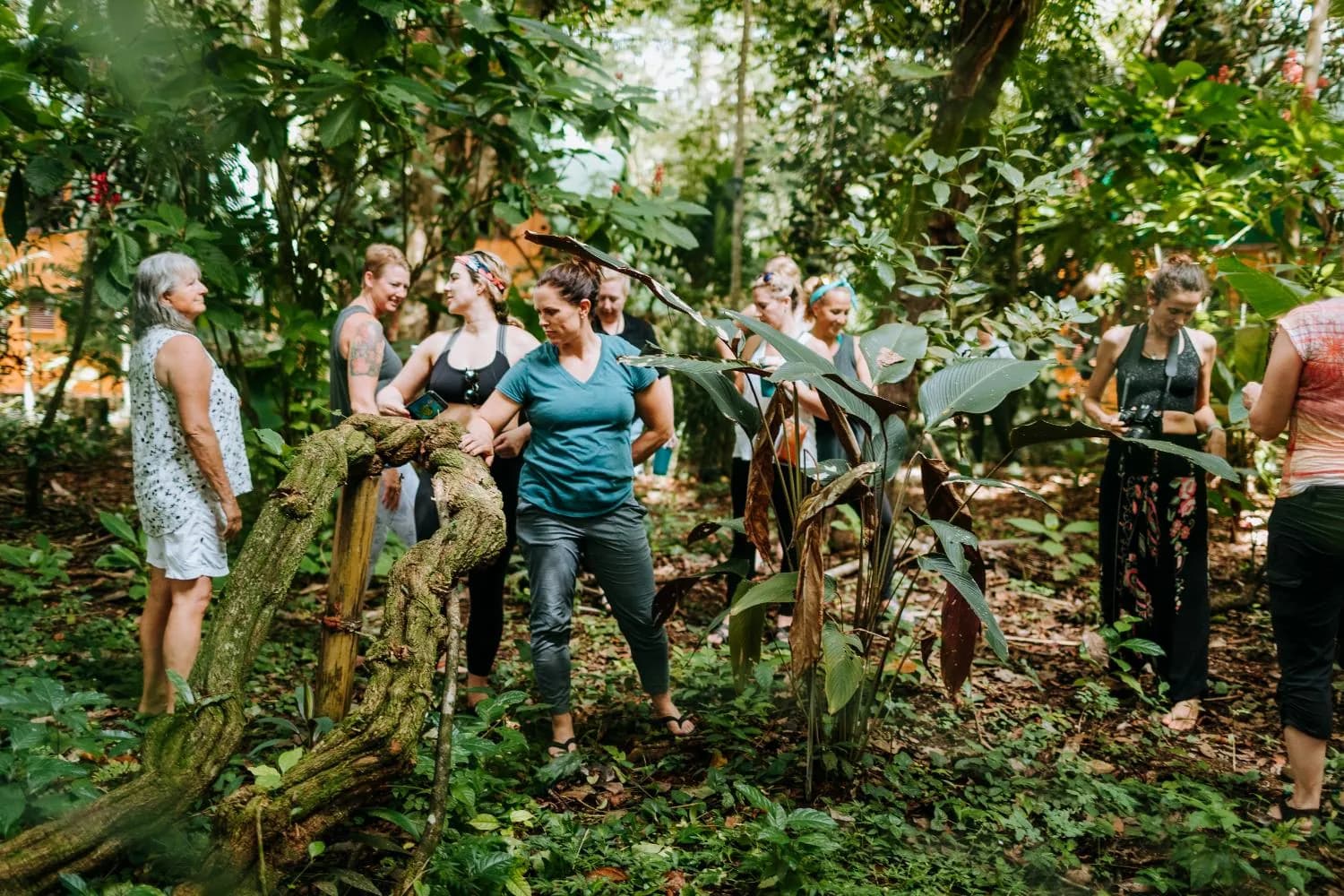
Guests walk through the watershed, swim in the river, notice the species around them, and begin to understand how the forest works as a living system.
That kind of attention changes the relationship to a place. The forest becomes more specific. You notice where the water moves, how the air shifts under the canopy, what appears at different times of day.
Conservation needs science, legal protection, and steady funding. It also needs people who know a place well enough to care what happens to it, and Posada Natura is where many of them first get to know it.