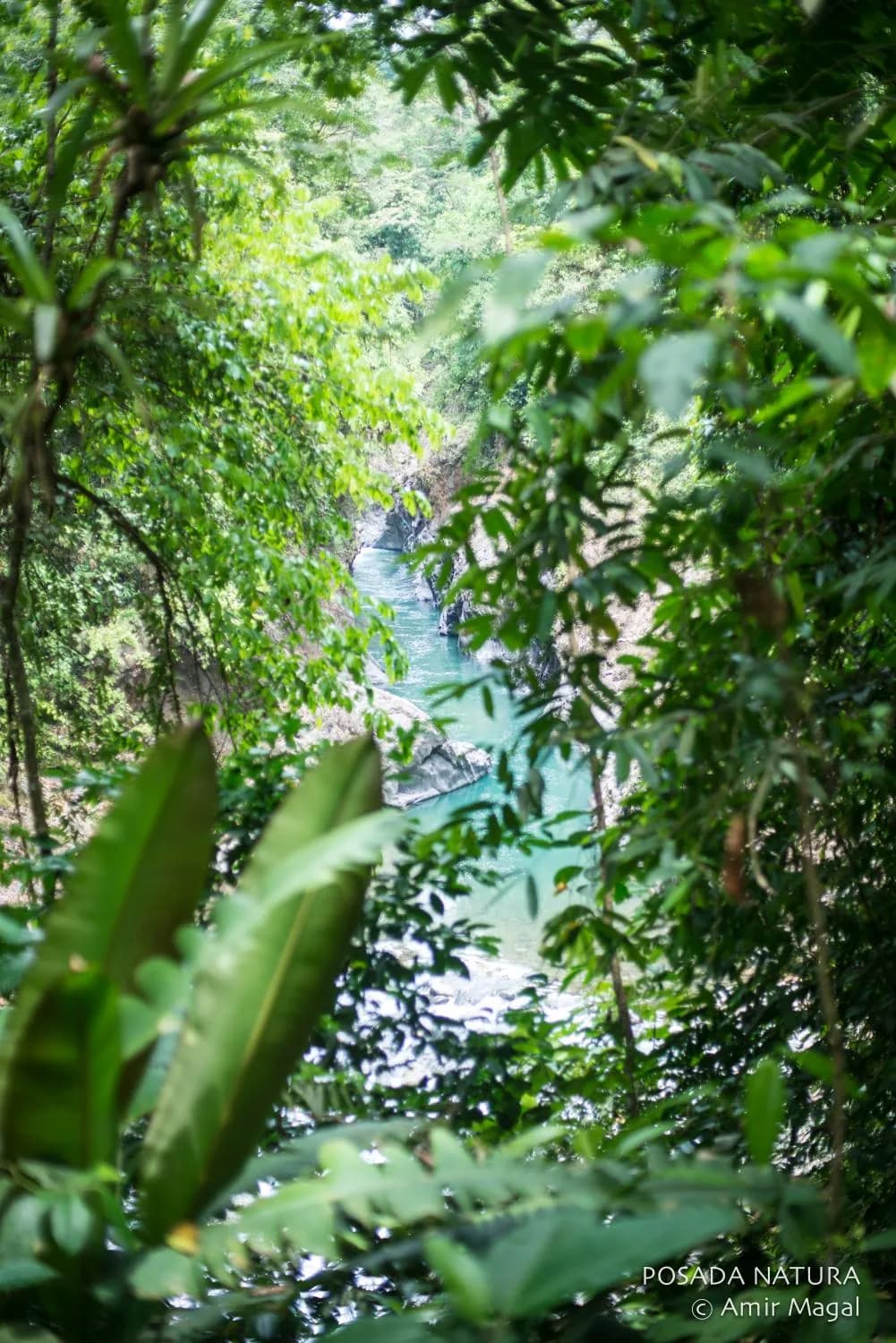
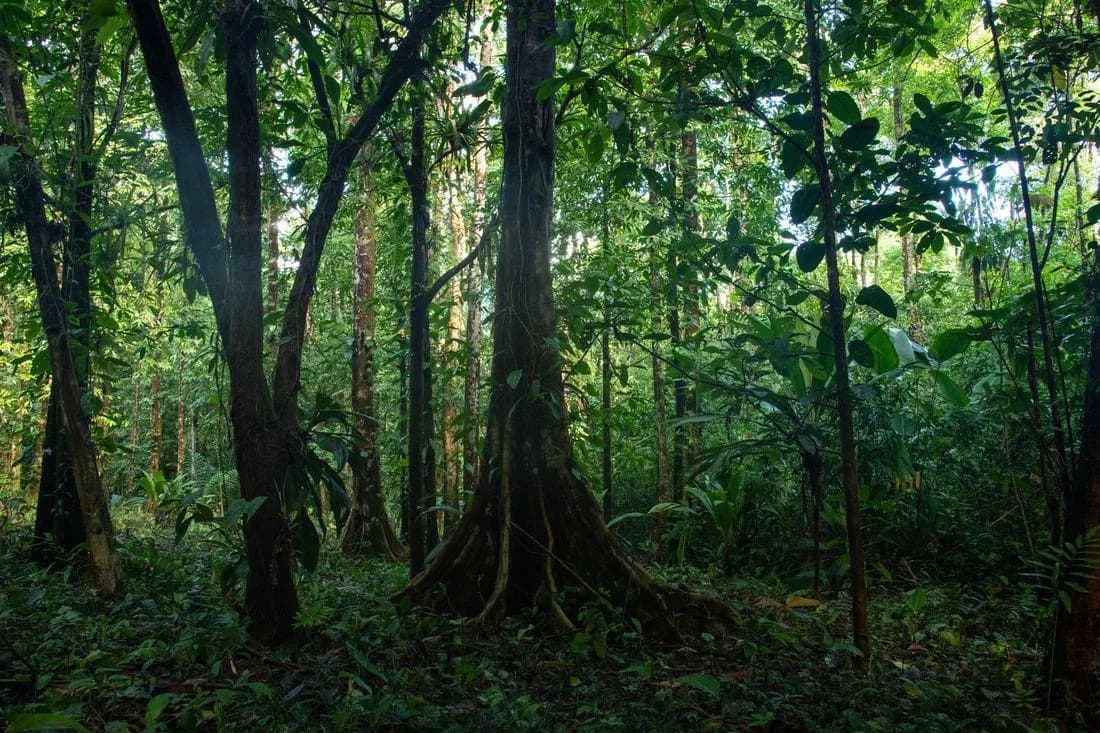
Before you can protect a place well, you have to know what is there.
Conservation begins with observation.
A forest can appear healthy from a distance while its ecological relationships are changing underneath the canopy. Research makes those changes visible: which species live here, where they are moving, how water changes between the headwaters and the river, where erosion is occurring, which habitats are regenerating, and which edges are under pressure.
The findings
Nine findings from the research on this land.
Scan the index, then select a finding to read the evidence behind it.
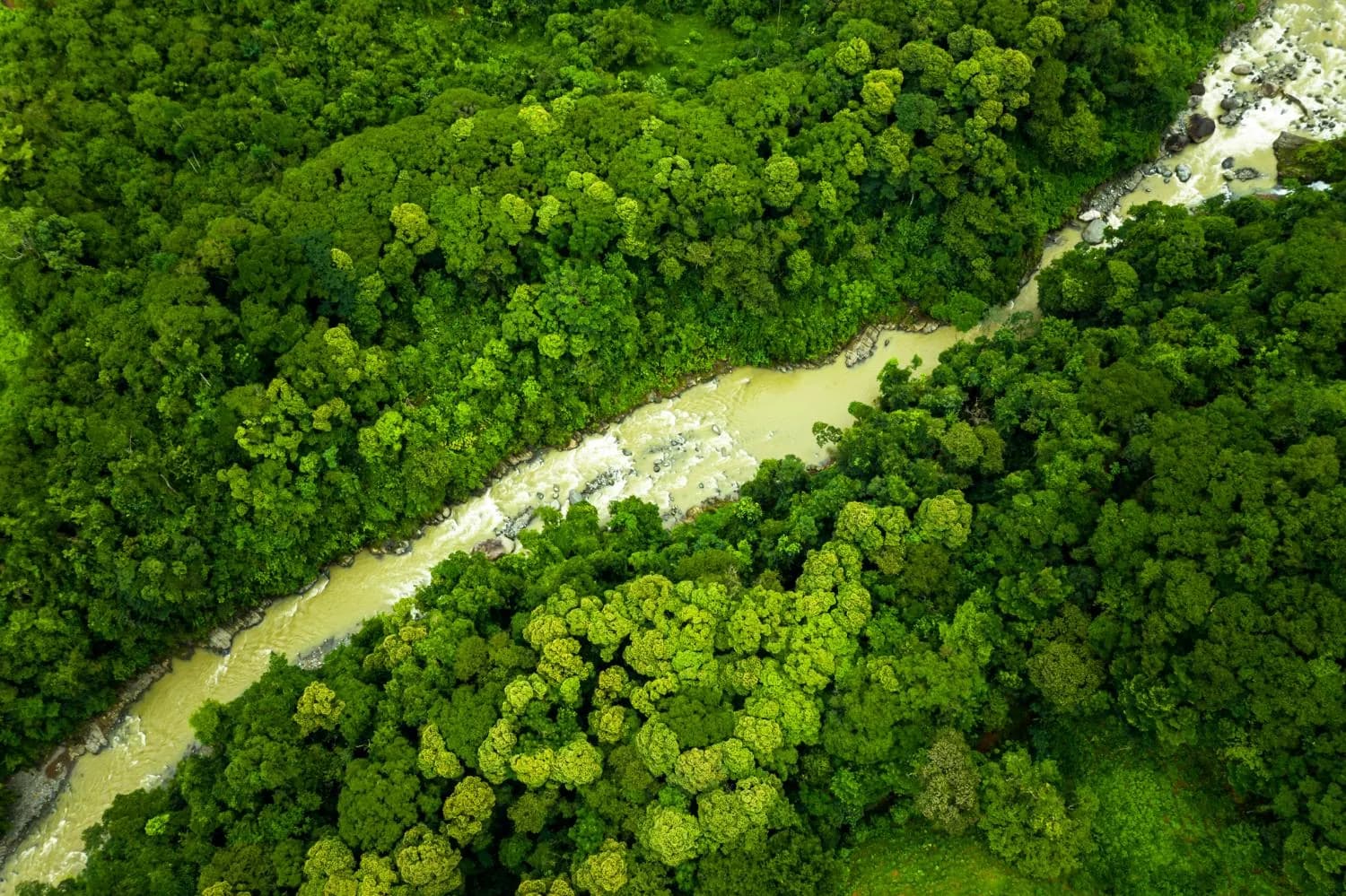 01The land850 mof elevation, from the Naranjo River to the highest ridgeRead the evidence
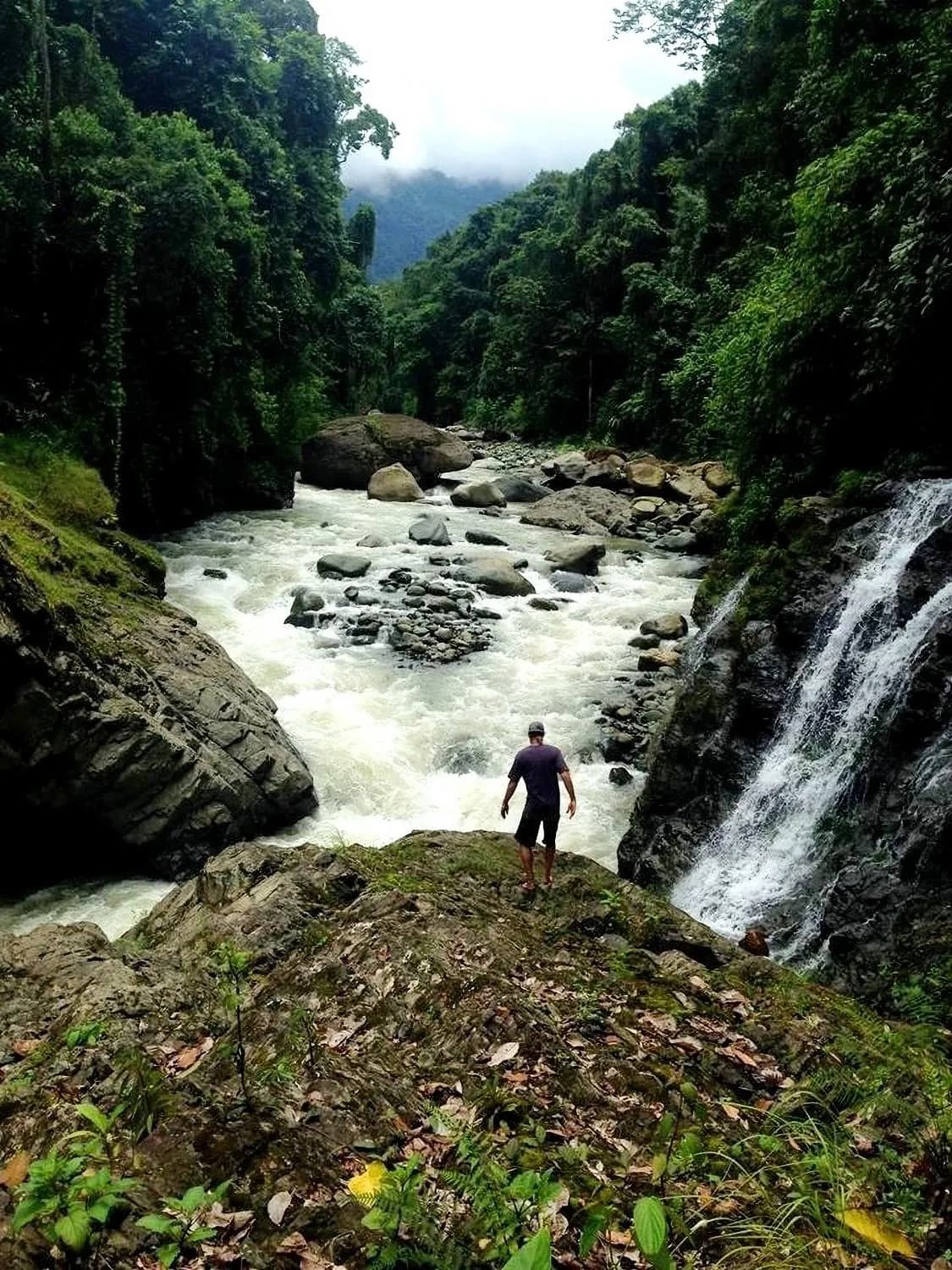 02The ground60°+slopes, where tree roots do the structural work of holding soilRead the evidence
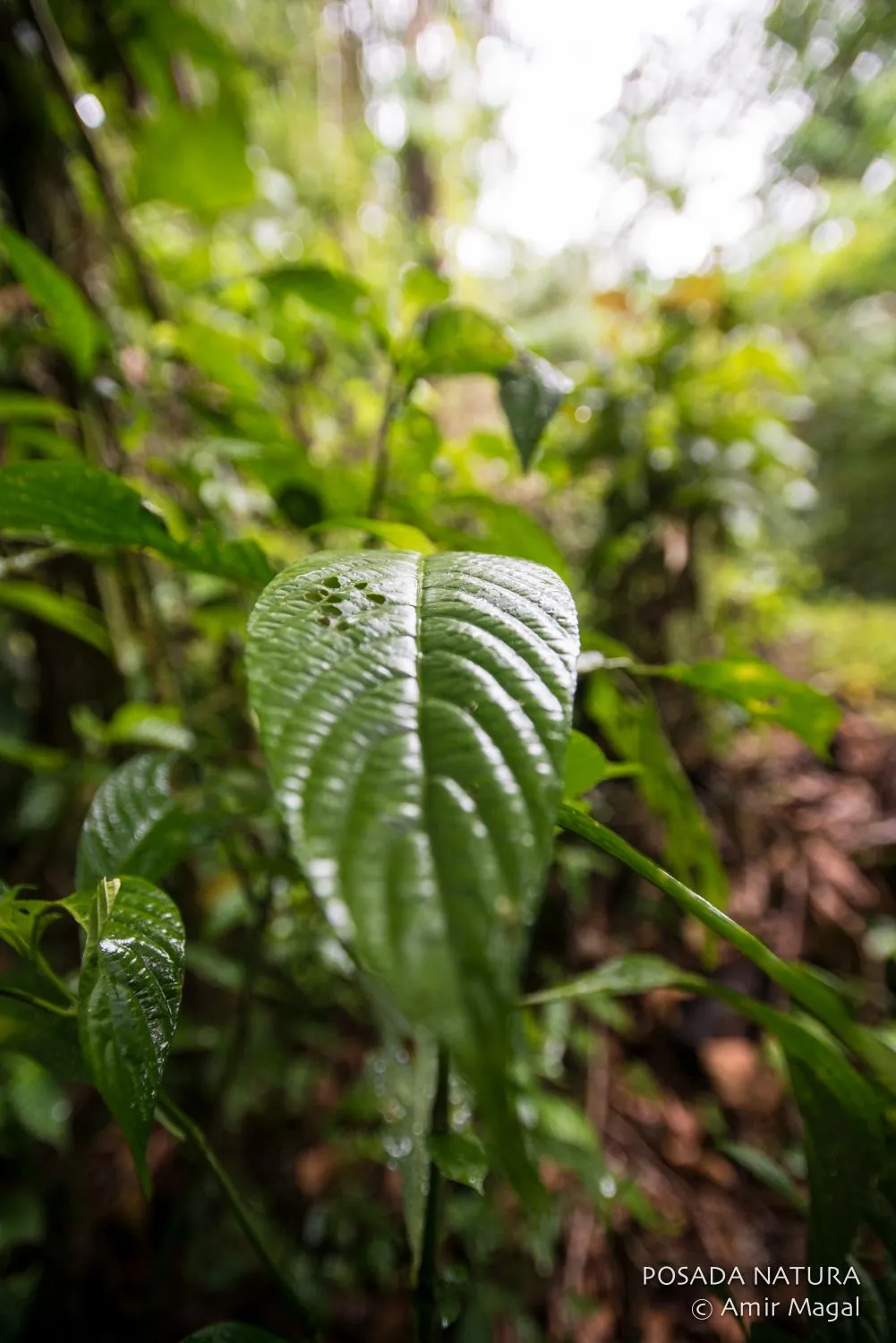 03The waterDaysthat rain is held in canopy and soil before it reaches the riverRead the evidence
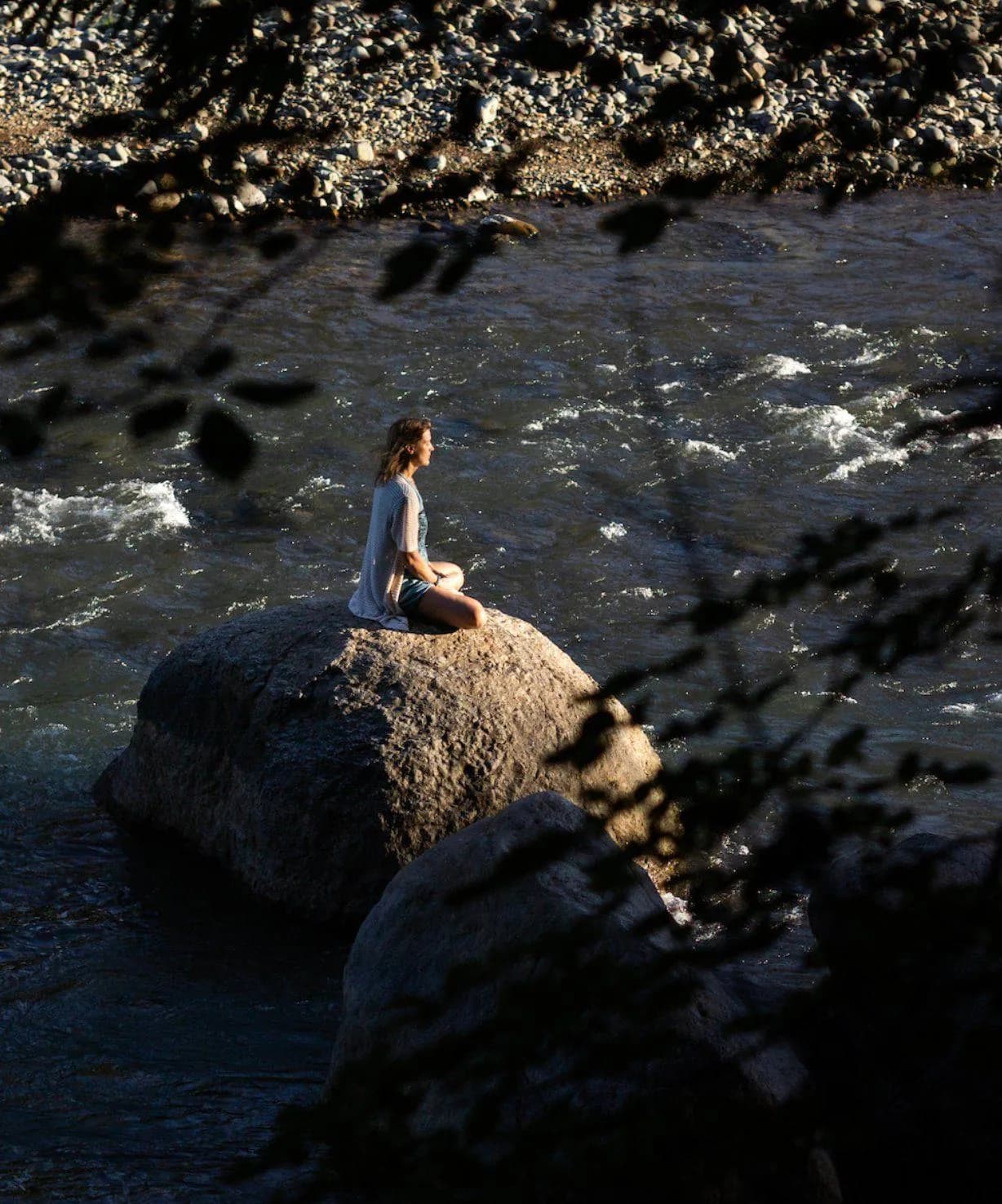 04The measurements6.1–8.3pH range, with low nitrates and the conductivity of an undisturbed watershedNow reading
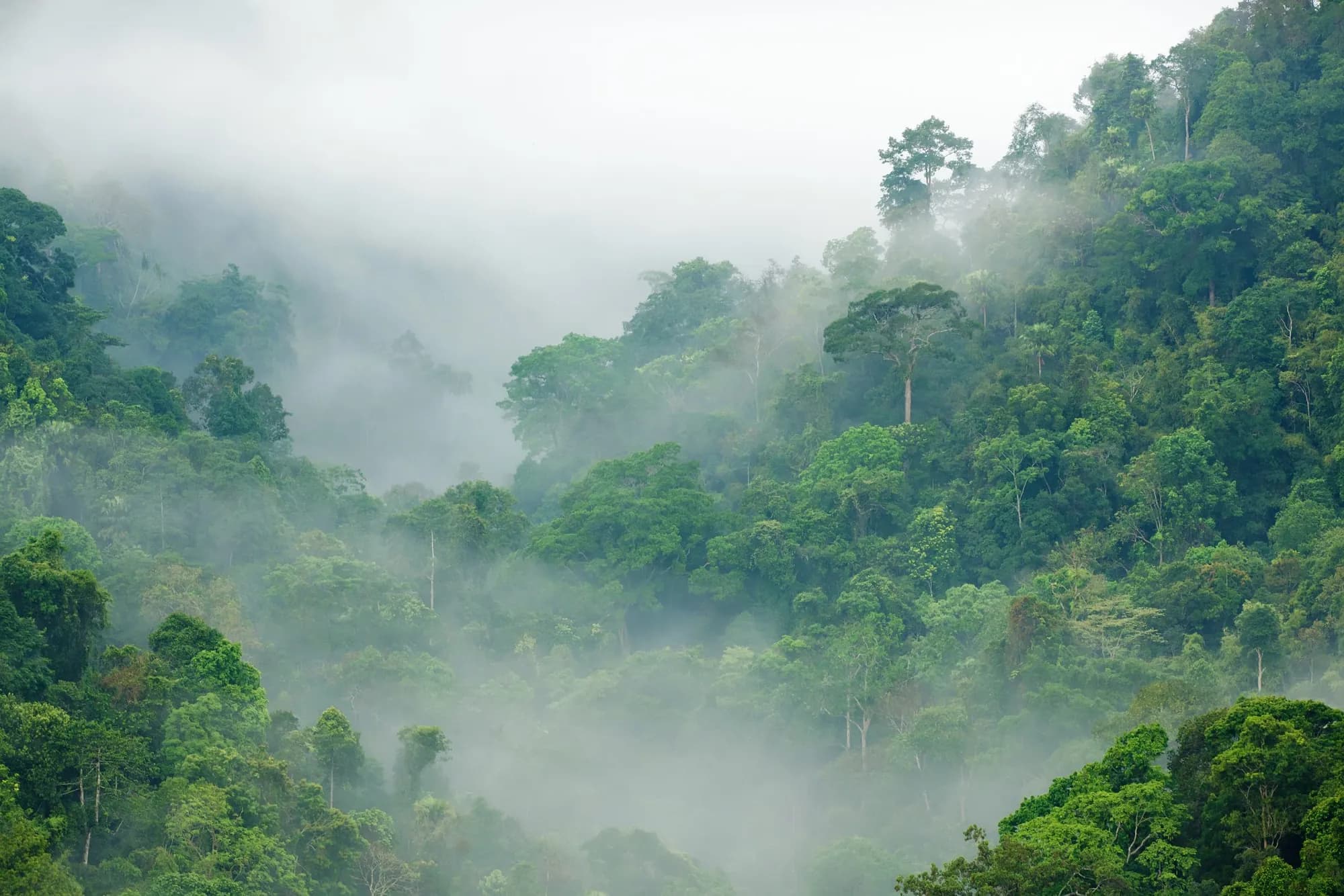 05The evidence4M+tonnes of CO₂ stored in the primary forest on the propertyRead the evidence
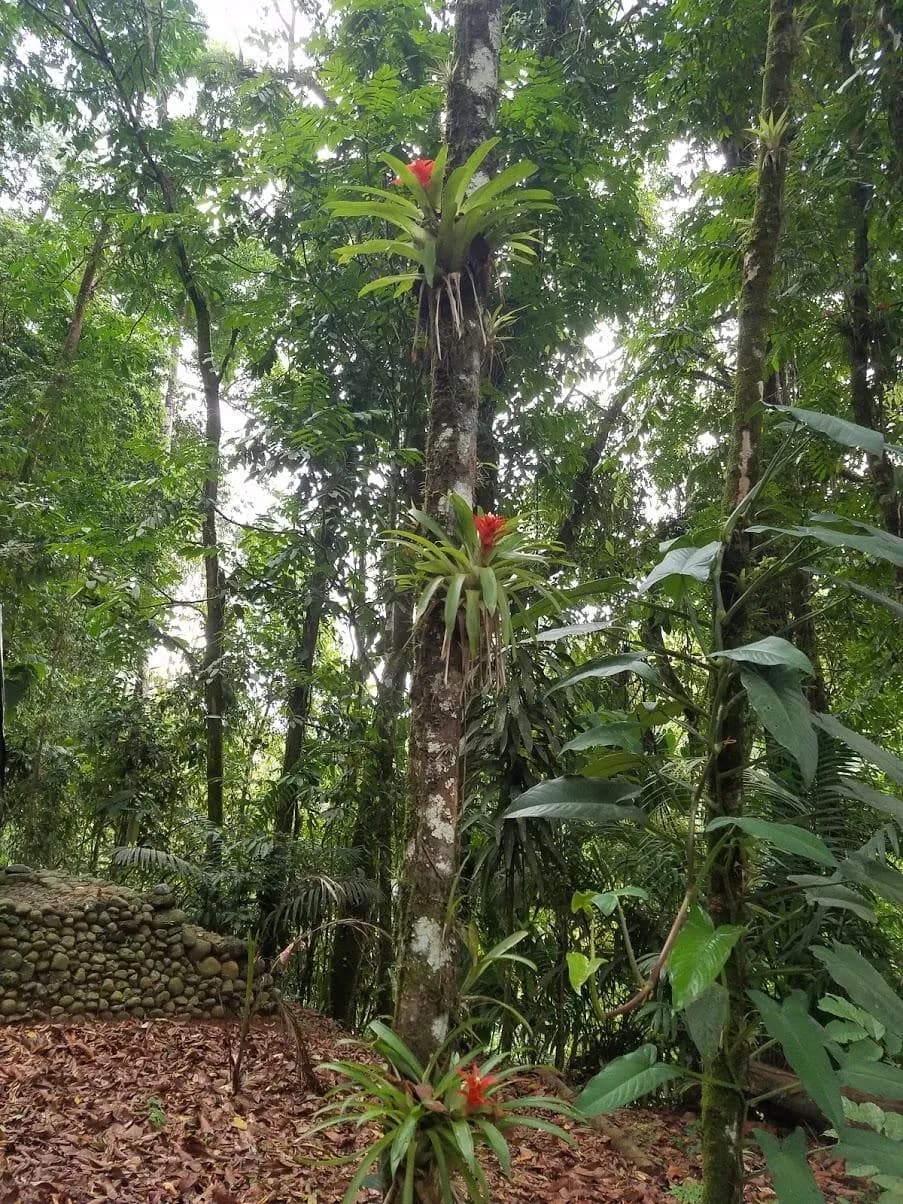 06The record717+species documented across plants, birds, mammals, reptiles and amphibiansRead the evidence
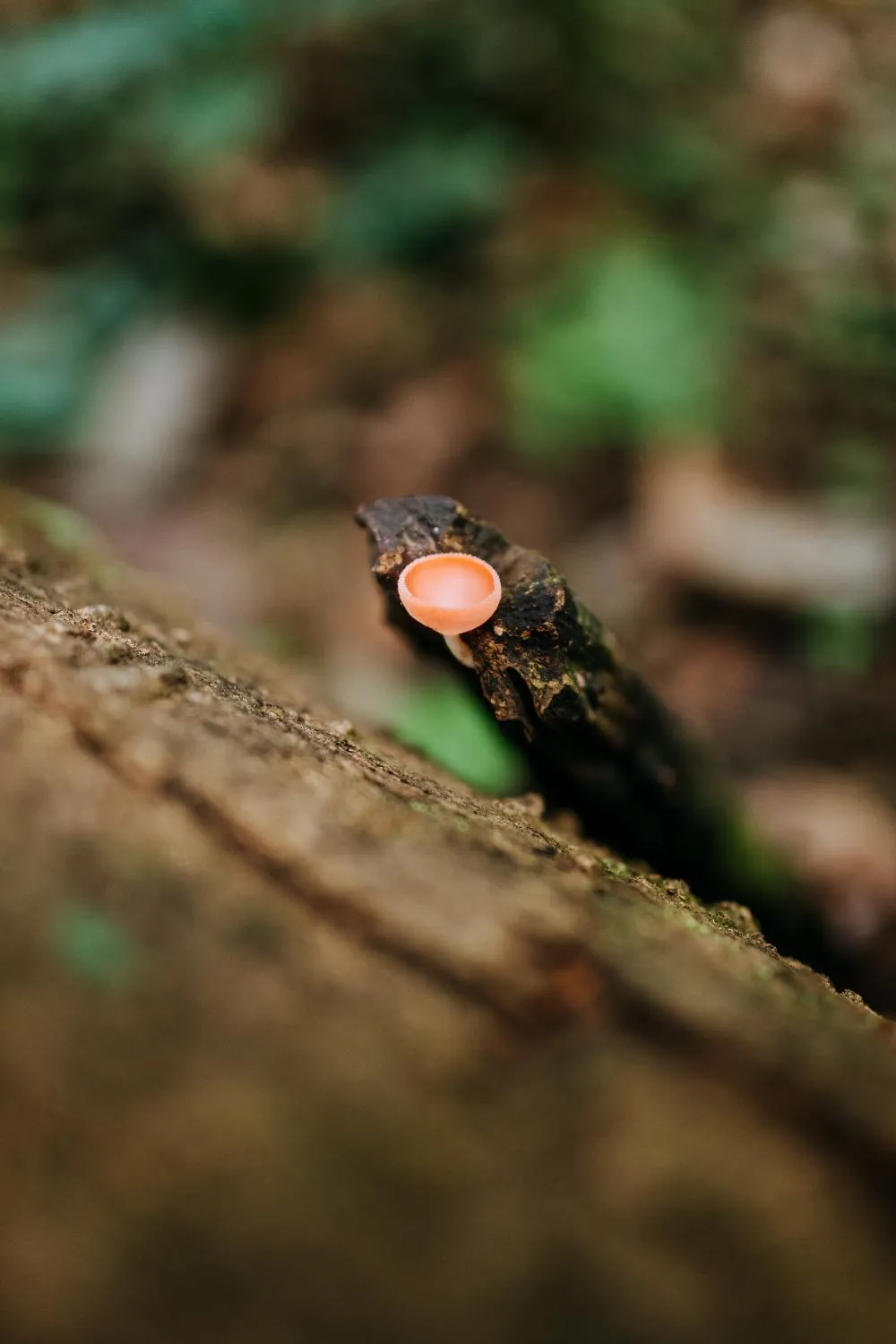 07The system6forest functions working together as one self-regulating systemRead the evidence
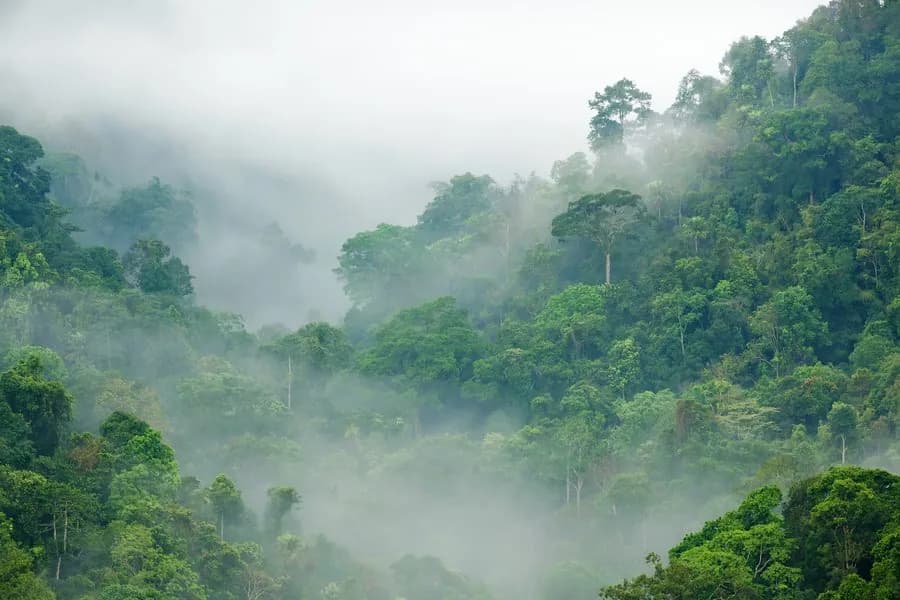 08The horizon35 yrsof family protection so far; the next step is legal protection that outlasts itRead the evidence
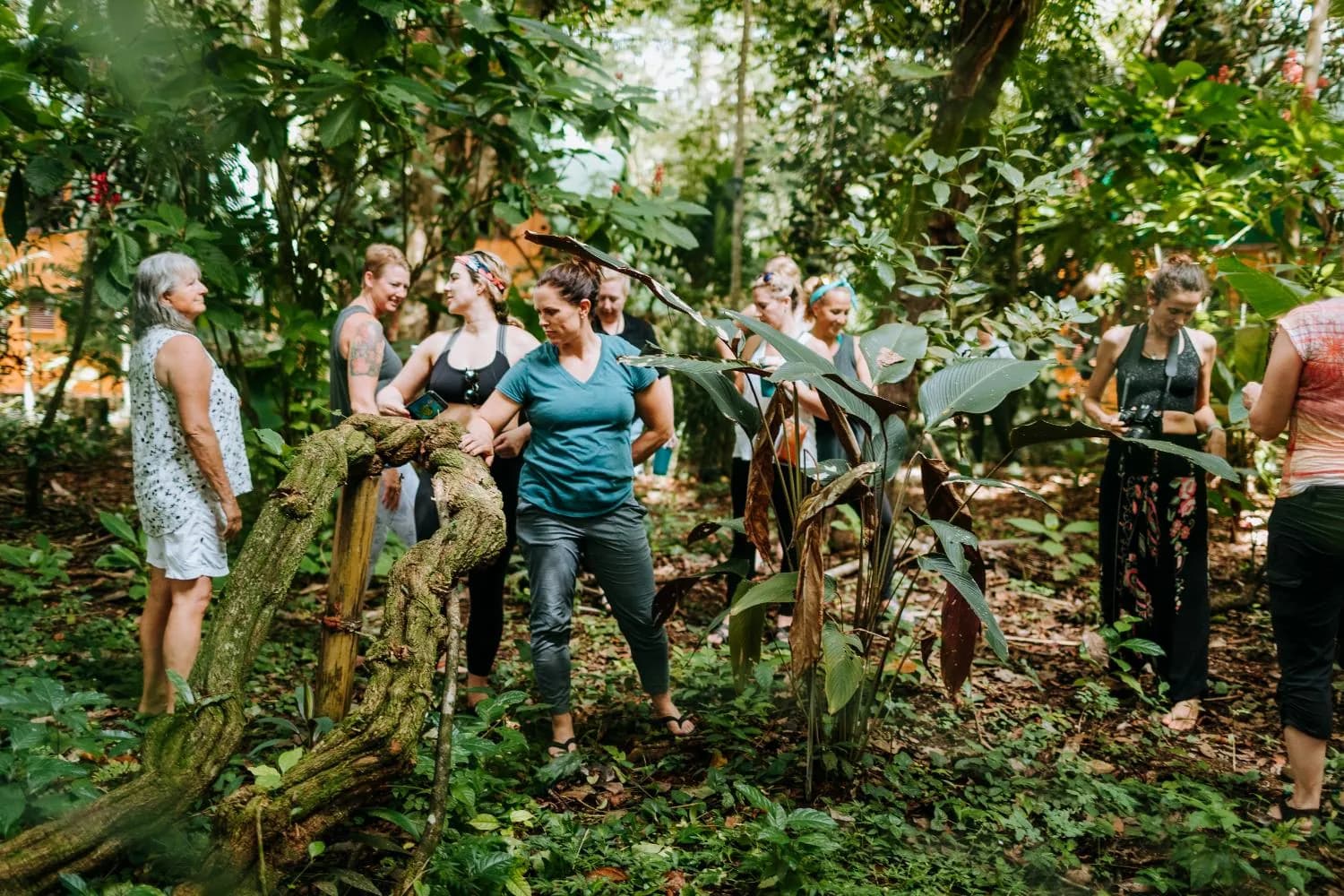 09The practice4connected areas of conservation work, from patrols to peopleRead the evidence
II · The measurements
Clean water should be something you can test
Water is sampled and recorded at points across the property. These are the values the monitoring returns.
- 6.1–8.3
- measured pH range across the property
- Low nitrate
- levels recorded in monitoring across the property
- Minimally disturbed
- conductivity characteristic of an undisturbed watershed
Monitoring year after year shows ecological change before it becomes a crisis.
Where the samples come from